
Acne · Causes & Treatment · Mellow Dermatology (Yeongdeungpo)
Why does acne keep coming back?
We start over from the cause
Acne isn't a problem that ends with a single procedure. Only by understanding why it forms and how it progresses—and treating it under a dermatologist's accurate diagnosis and a long-term plan—can you reduce recurrence and scarring.
Why It Happens
Acne forms when four
factors interlock
Acne isn't caused by one thing—it's the result of sebum, dead skin cells, bacteria, and inflammation interlocking. Knowing which link the problem starts at is what makes treatment that doesn't come back.
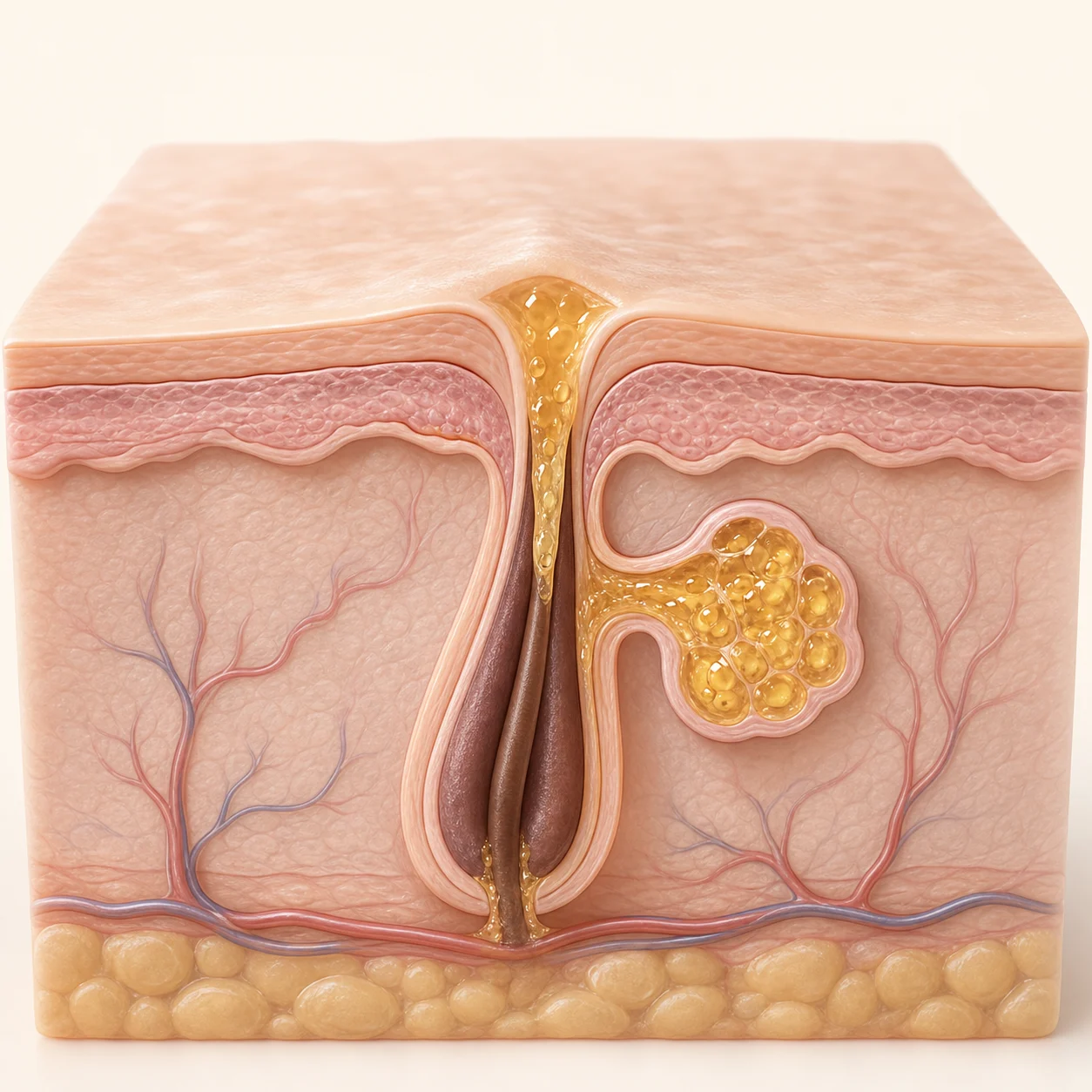
Factor 01 · Sebum
Excess sebum production
When the sebaceous glands become overactive, sebum builds up in the pores, setting the stage for acne to begin.
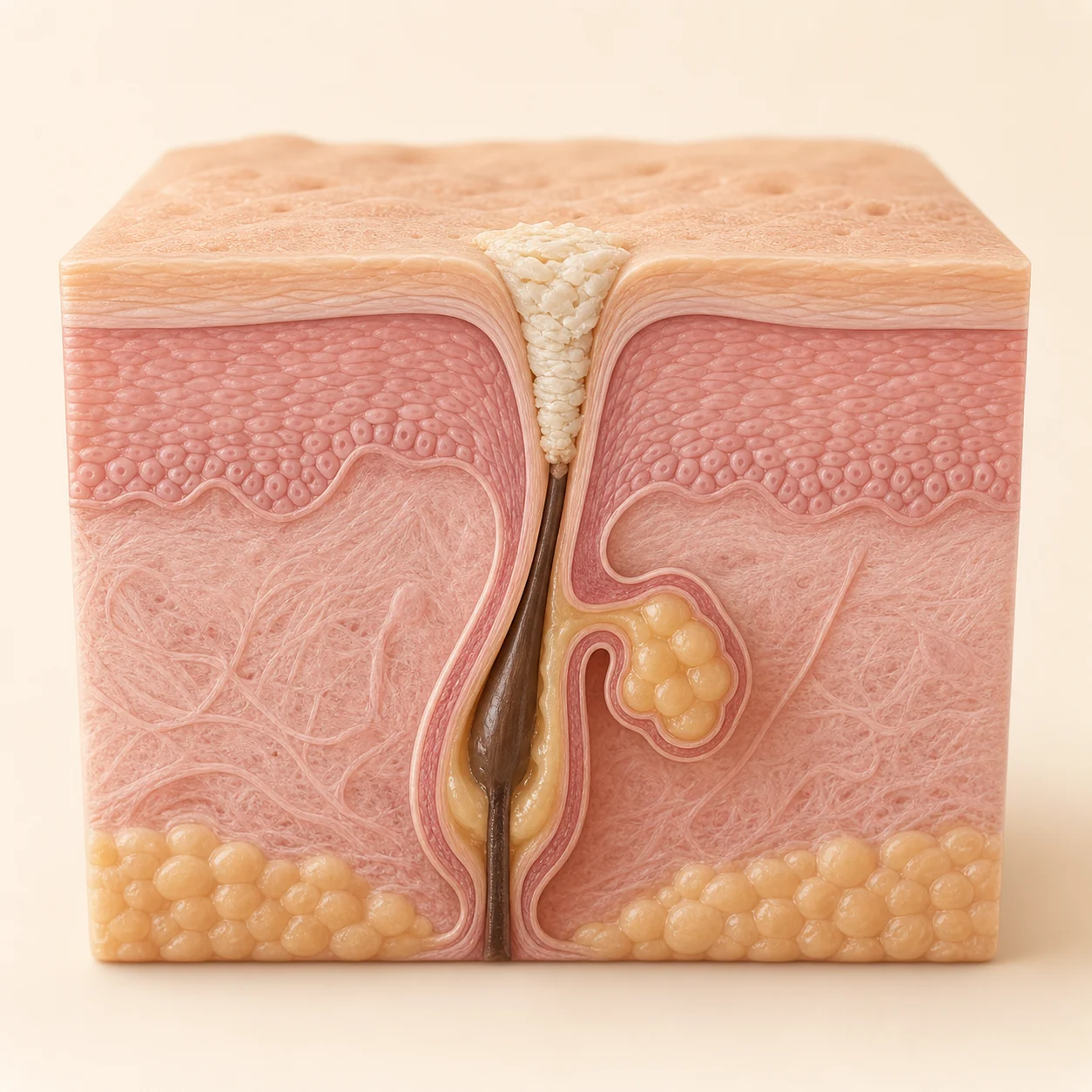
Factor 02 · Dead skin cells
Pore hyperkeratinization
When dead skin cells thicken at the pore opening and block sebum from escaping, it clumps inside and forms comedones.
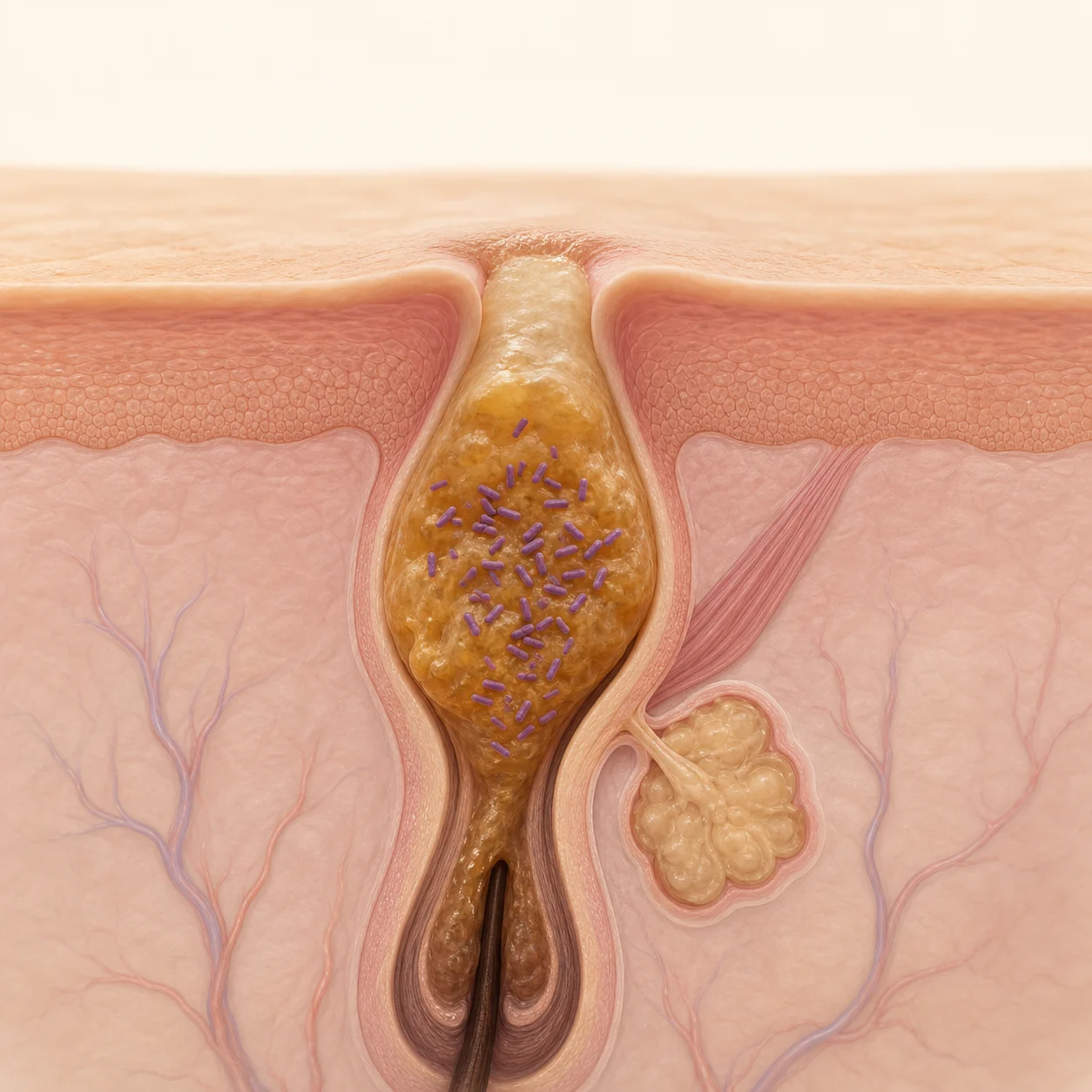
Factor 03 · Bacteria
Acne bacteria proliferation
Inside the clogged pore, acne bacteria (P. acnes) multiply, worsening breakouts and triggering inflammation.
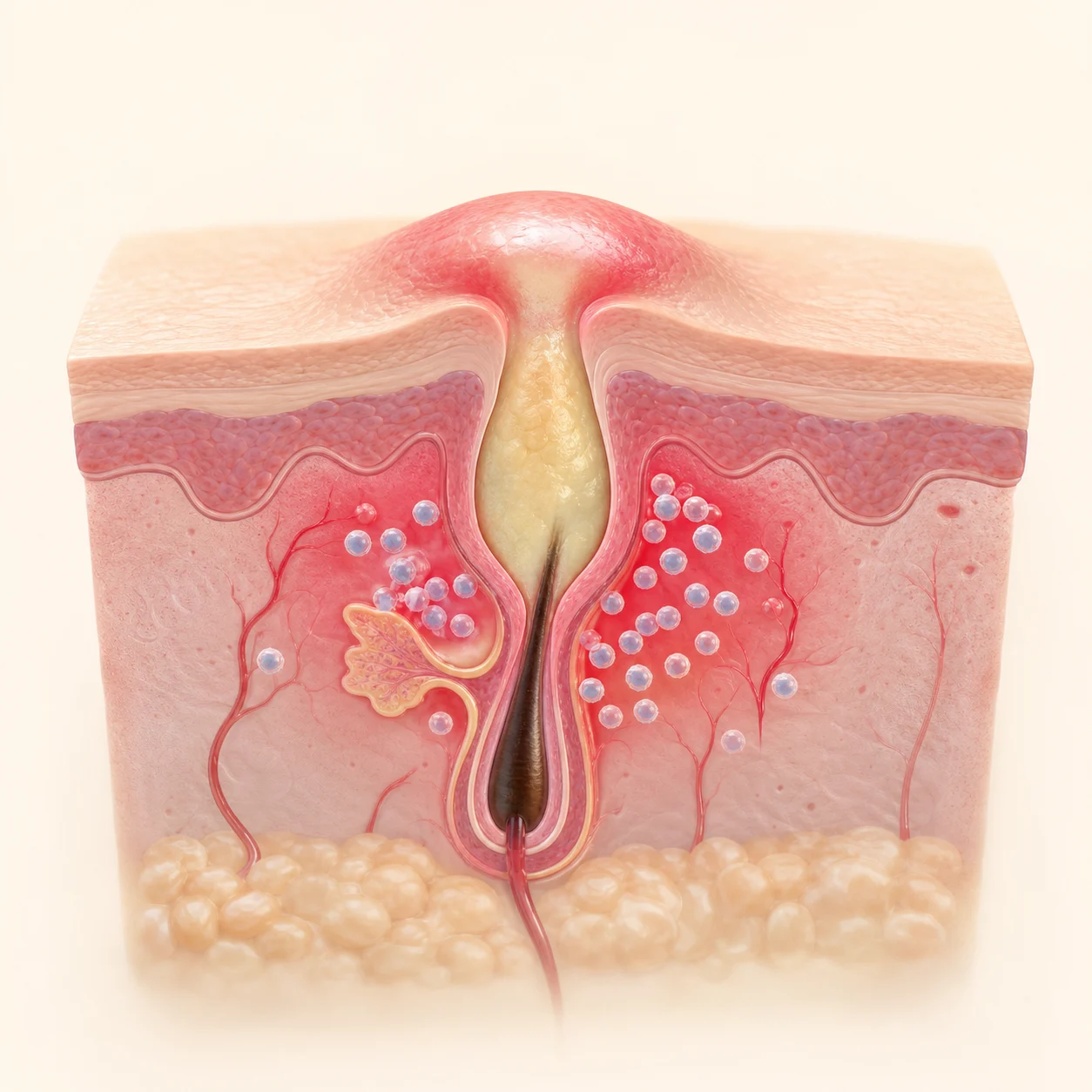
Factor 04 · Inflammation
Inflammatory response
When the immune system reacts to bacteria and debris, it develops into red, swollen inflammatory acne.
Acne Stages
Left untreated,
it deepens stage by stage
Acne changes in appearance—and in its risk of leading to scars—depending on how far it has progressed. Your treatment must change according to which stage you're in right now.
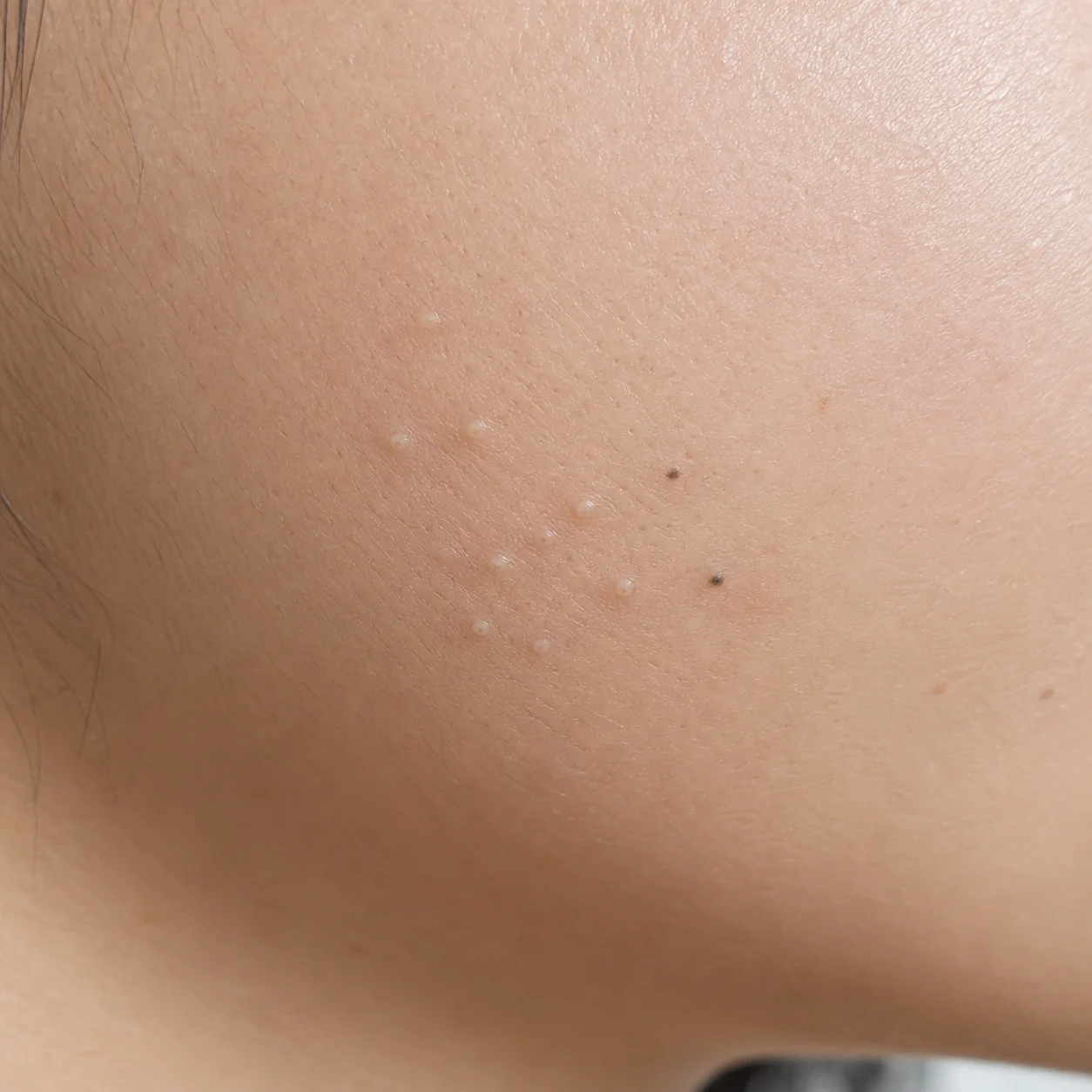
Comedones (whiteheads)
The early stage where dead skin cells and sebum clump together. Appears as whiteheads and blackheads.
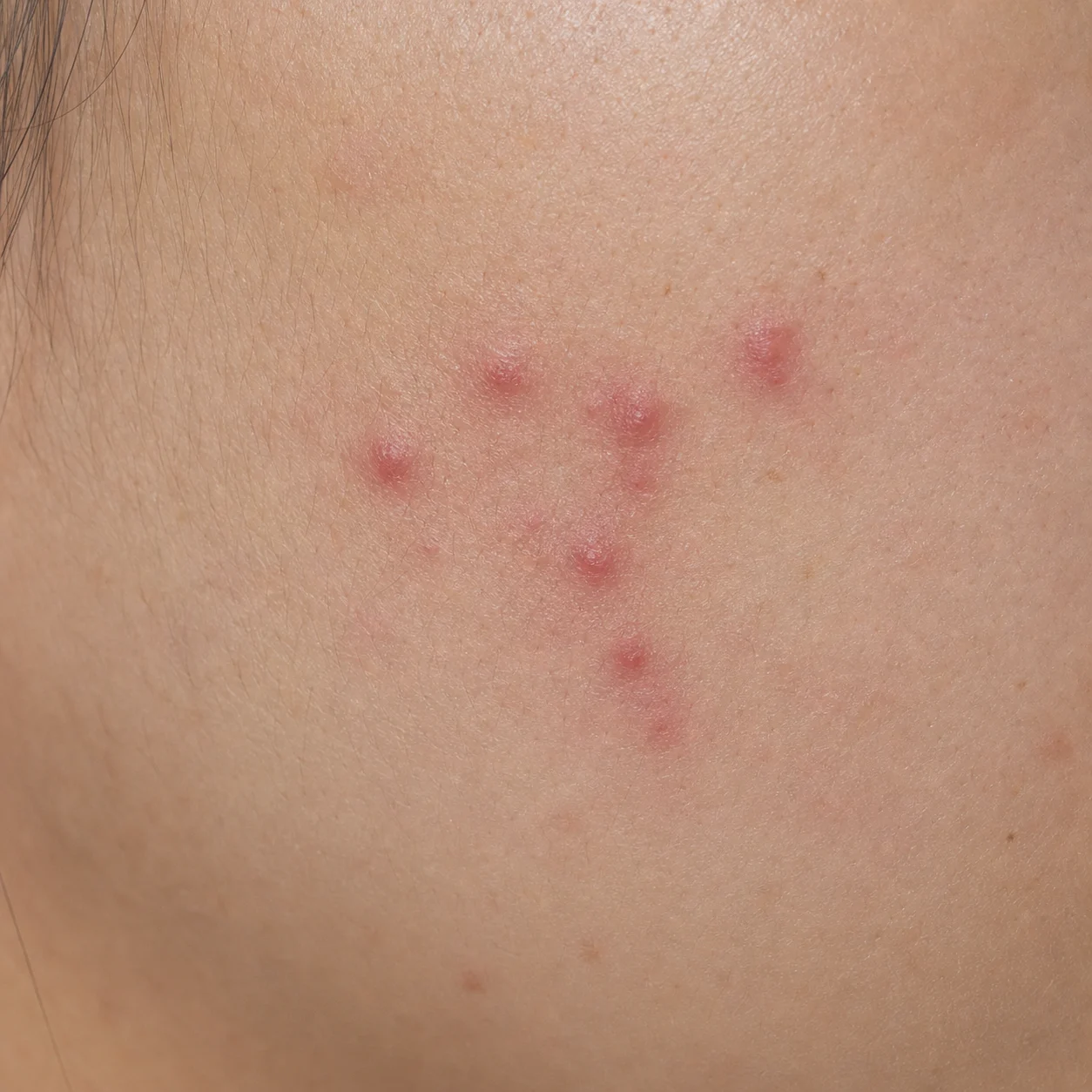
Papules (red acne)
Inflammation has begun and the area is raised and red. It may feel painful to the touch.
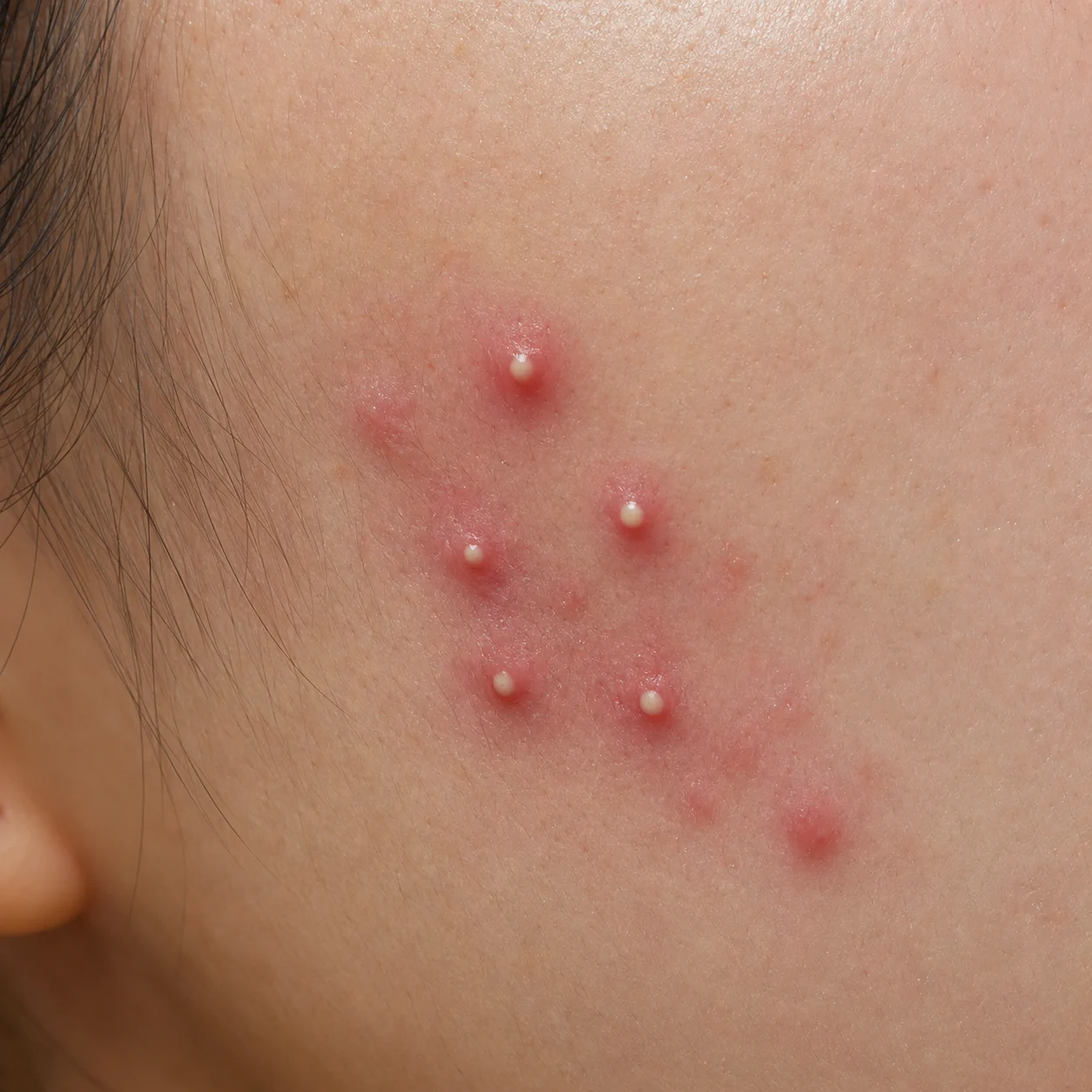
Pustules (pustular)
Inflammatory acne with pus. It easily leads to red marks and scarring.
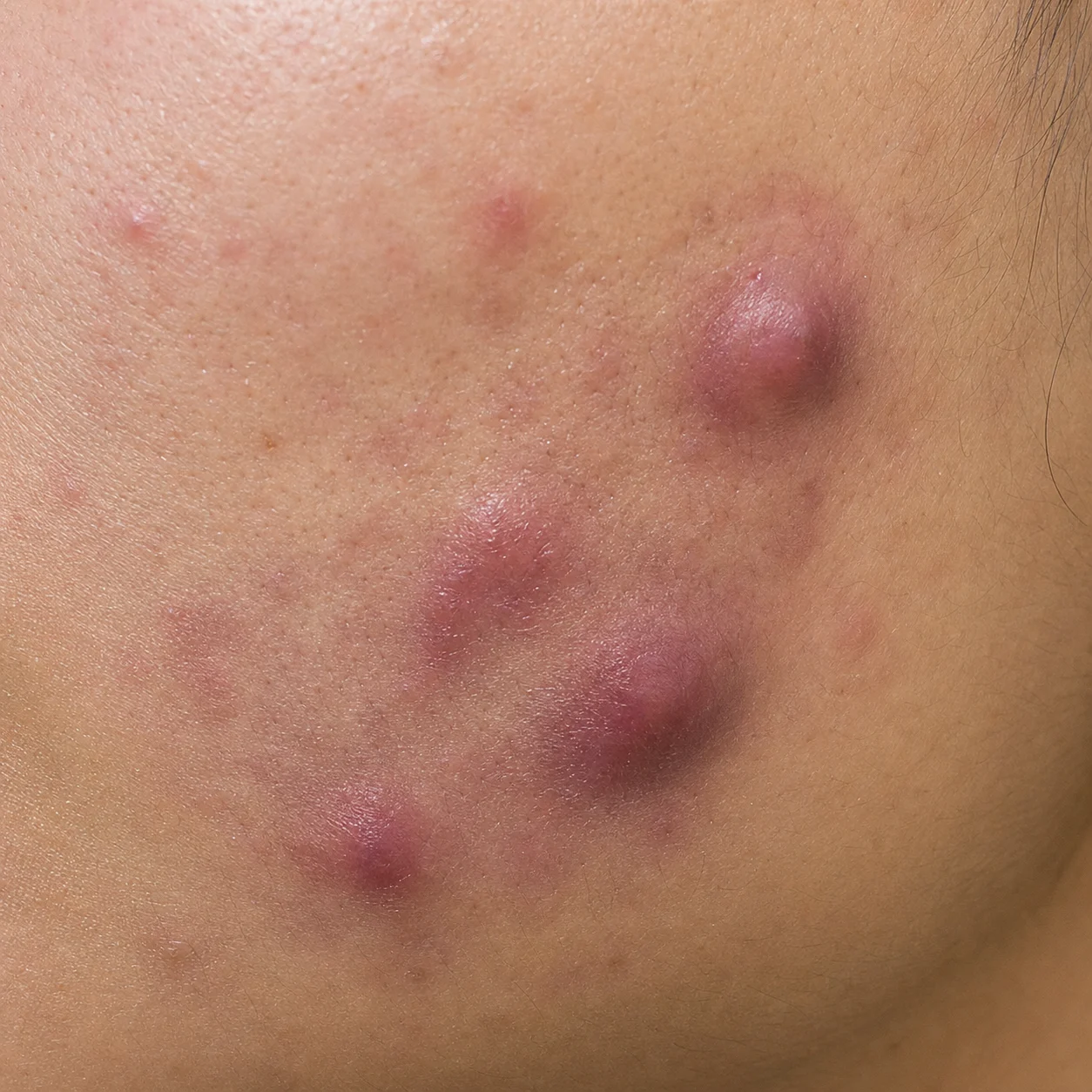
Nodules · Cysts
Large, firm inflammation that has spread deep. The scarring risk is high and it requires professional treatment.
Staged Treatment
We treat in order,
matched to each stage
In the early stage, extraction and scaling are enough, but recurring acne calls for treating its cause—the sebaceous glands—and once it settles, the marks and scars must be addressed.
Precise diagnosis
We diagnose your skin type and the cause and stage of your acne to build a long-term treatment plan.
Early · Extraction & Scaling
We empty clogged pores with sterile extraction, and clear away dead skin cells and sebum with scaling and peeling.
Ongoing · Sebaceous gland reduction
For recurring acne, treatments such as Gold PTT regulate overactive sebaceous glands to address the root cause.
Aftercare · Marks & Scars
We manage the red marks and scars left after inflammation subsides with laser and regenerative procedures.
Devices
A different device at each stage,
to address the cause
Acne calls for different treatments at each stage. We understand the role of each device and combine them to address sebum, inflammation, marks, and scars in order.
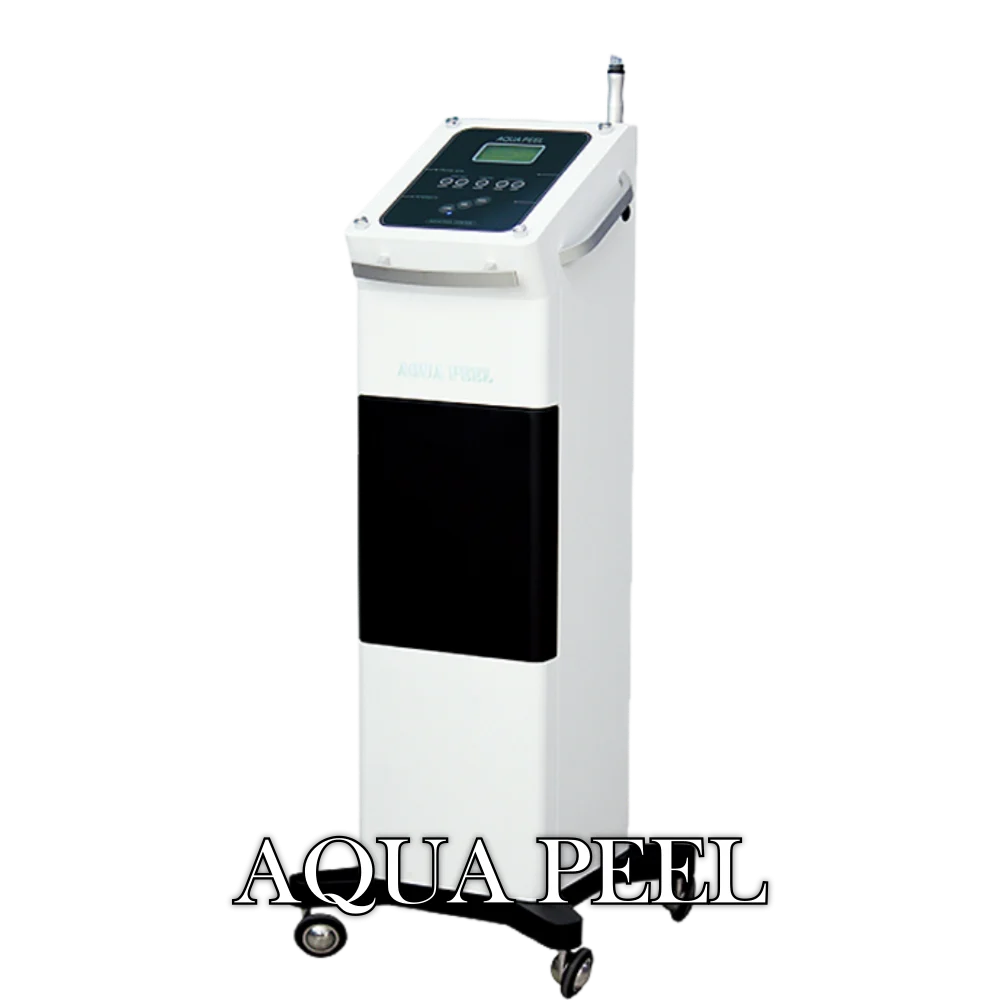
Aqua Peel · Scaling
Aqua Peel
Early · ScalingUsing the power of water, it deep-cleanses dead skin cells and blackheads and empties clogged pores. As foundational care in the extraction and scaling stage, it clears away the very starting point of acne.
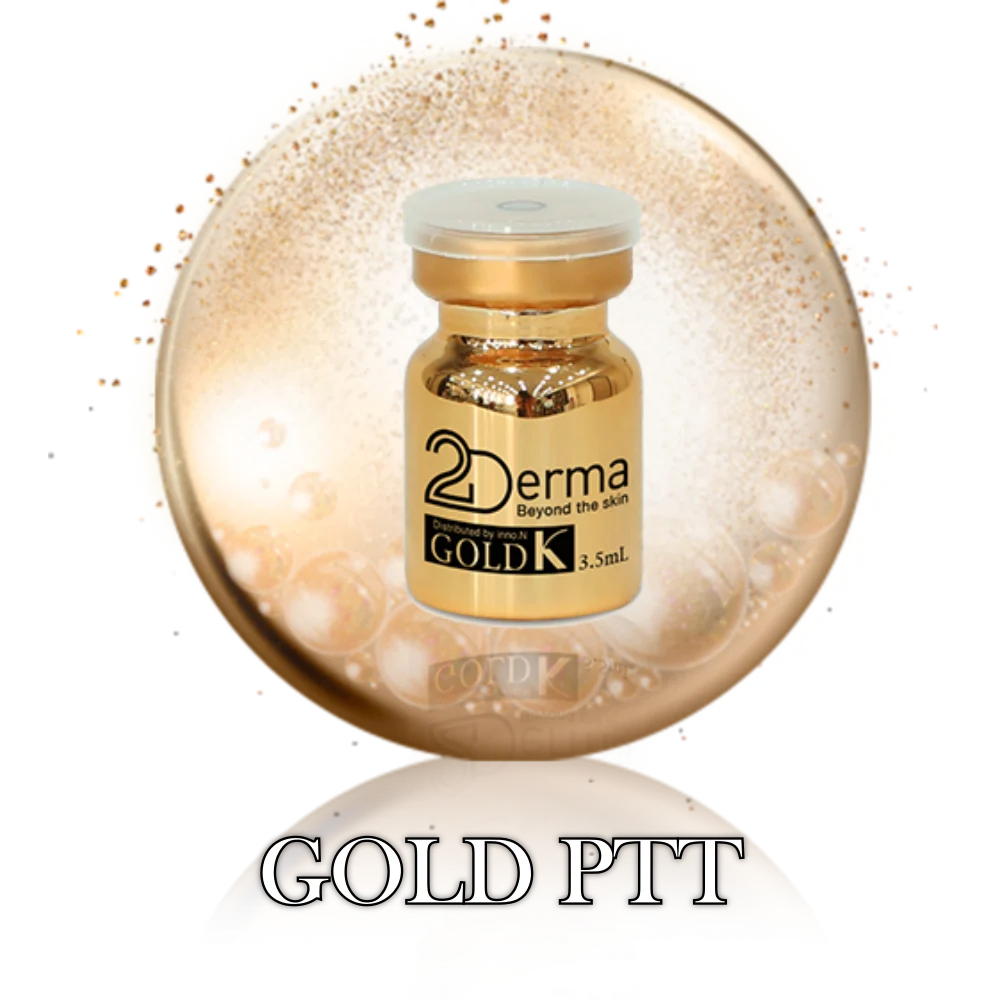
Gold PTT · Sebaceous
Gold PTT
Ongoing · Sebaceous gland reductionGold nanoparticles are delivered into the sebaceous glands within the pores, then selectively shrunk with a laser. This regulates excess sebum, the root cause of recurring acne.
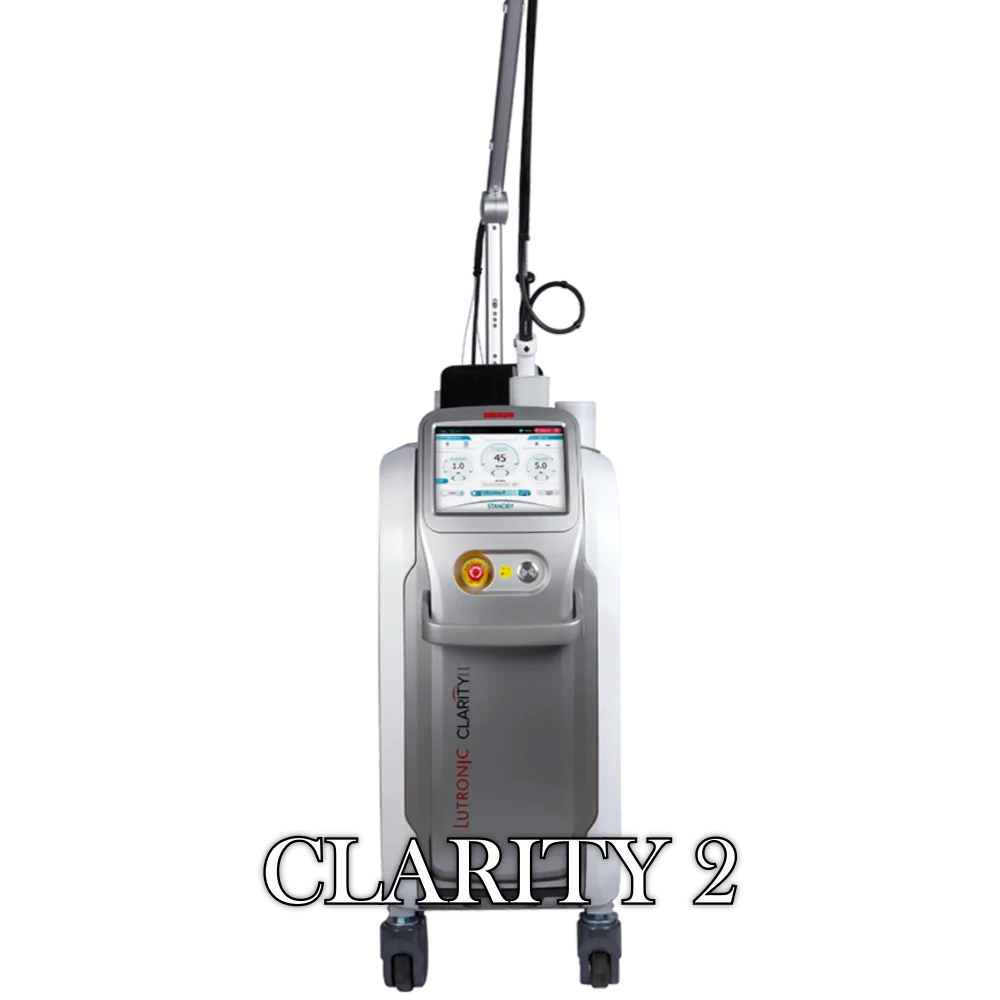
Clarity II · 1064nm
Clarity II
Ongoing · Inflammation & RednessWith its 1064nm wavelength, it calms inflammatory acne and vascular redness and suppresses sebum secretion. It soothes red, sensitive acne-prone skin.
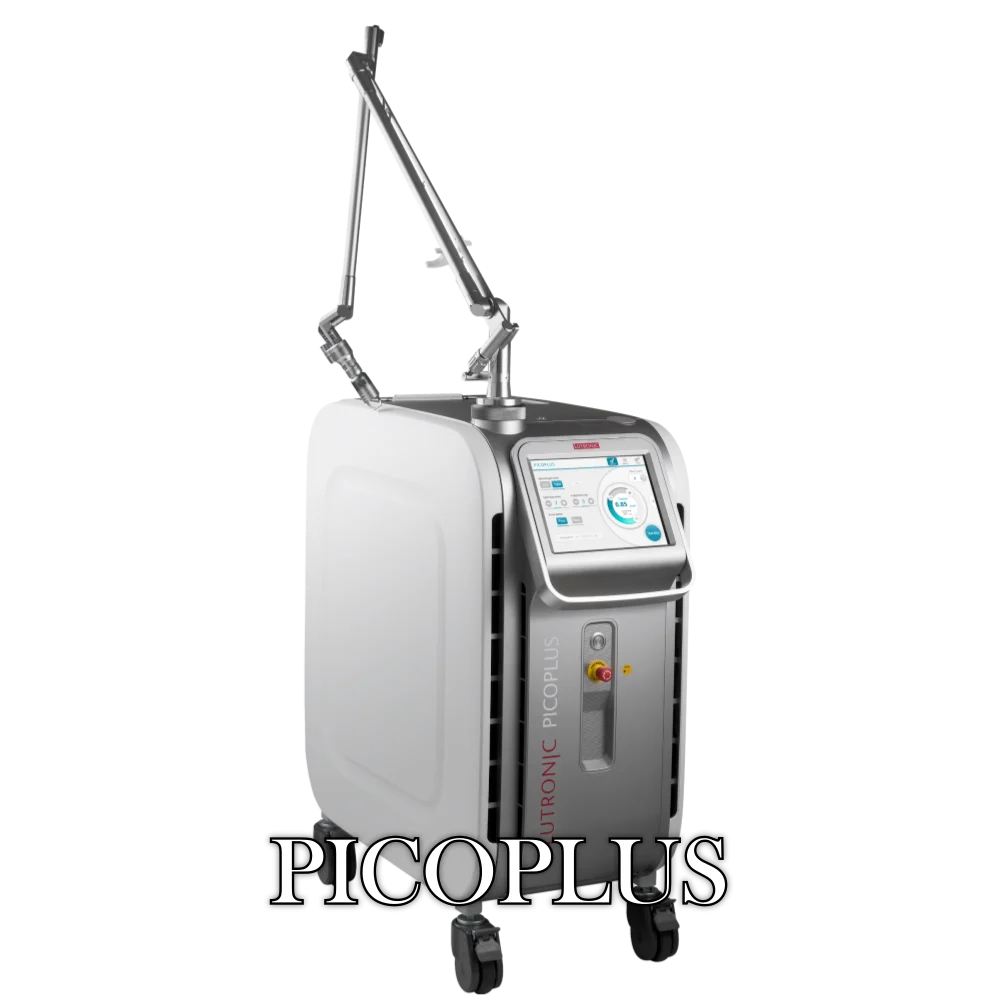
Pico Plus · Picosecond
Pico Plus
Aftercare · Marks & PigmentWith picosecond pulses, it clears the brown pigment and red marks left by acne, and its fractional mode improves skin texture and even shallow scars.
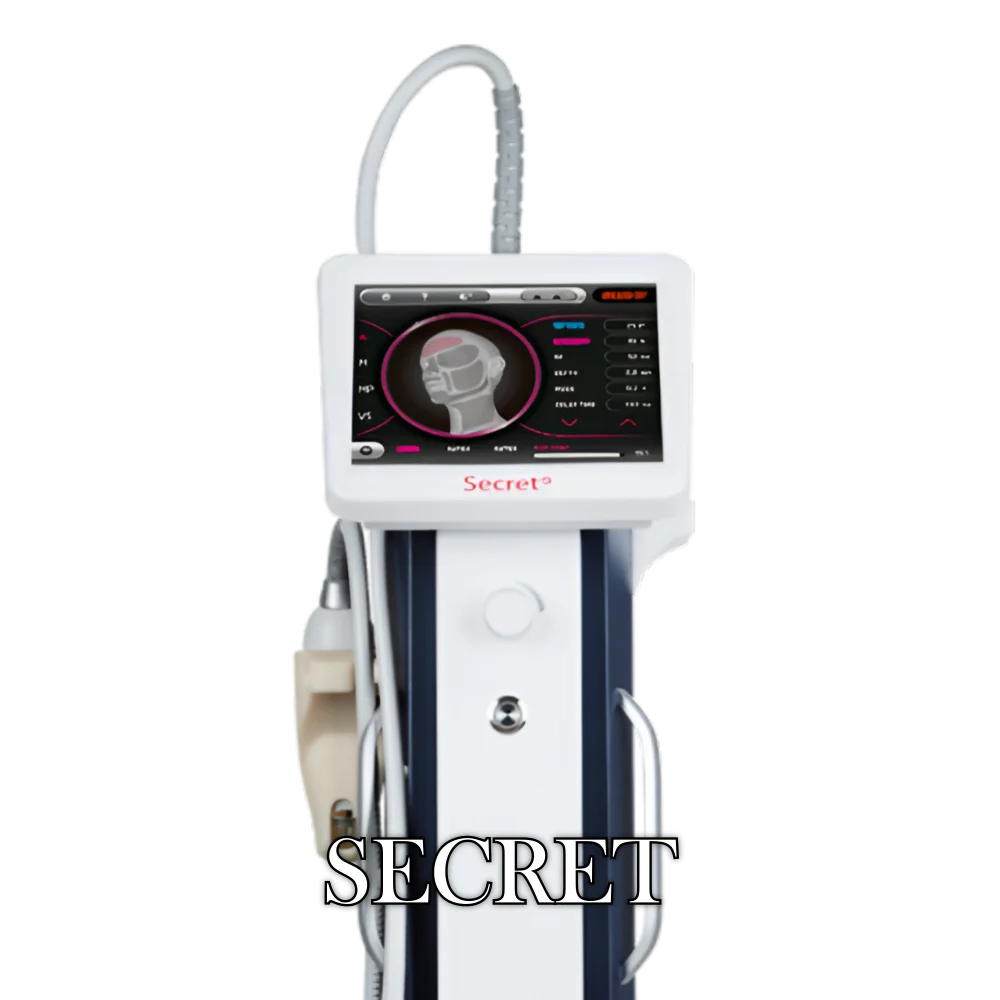
Secret · Microneedle RF
Secret RF
Aftercare · Scars & PoresMicroneedle radiofrequency regenerates collagen in the dermis to gradually improve pitted acne scars and enlarged pores.
At a Glance
Device lineup by stage
| Device | Role | Stage |
|---|---|---|
| Aqua Peel | Deep cleansing & scaling | Early |
| Gold PTT | Sebaceous gland reduction | Ongoing |
| Clarity II | Inflammation & redness soothing | Ongoing |
| Pico Plus | Red marks & pigment | Aftercare |
| Secret RF | Scar & pore regeneration | Aftercare |
※ Treatment results and responses may vary from person to person, and side effects may occur.
Real Results
Real treatment reviews
Real treatment reviews from patients who improved their acne at Mellow Dermatology (Yeongdeungpo). Tap a card to read the full review.
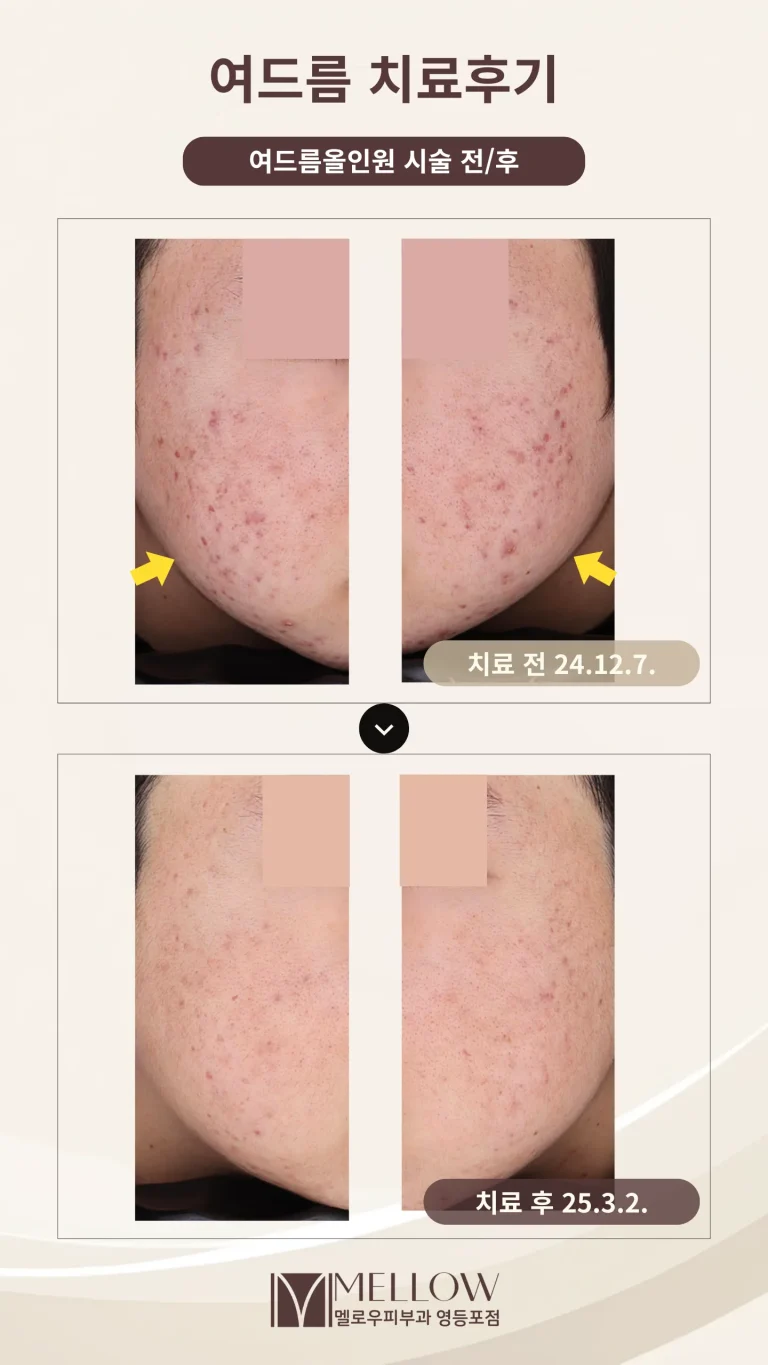
Treatment review
Inflammatory acne treatment review, man in his 20s
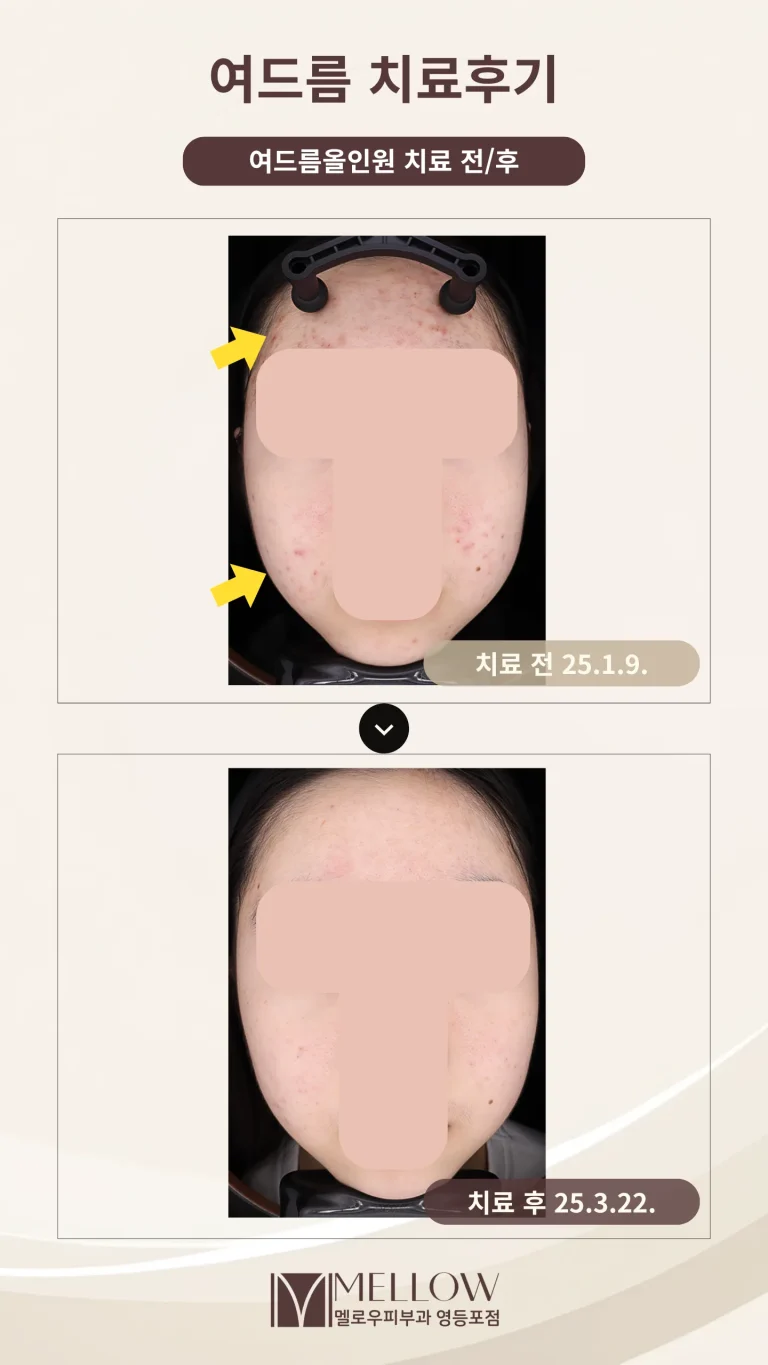
Treatment review
Inflammatory acne treatment review, teenage girl
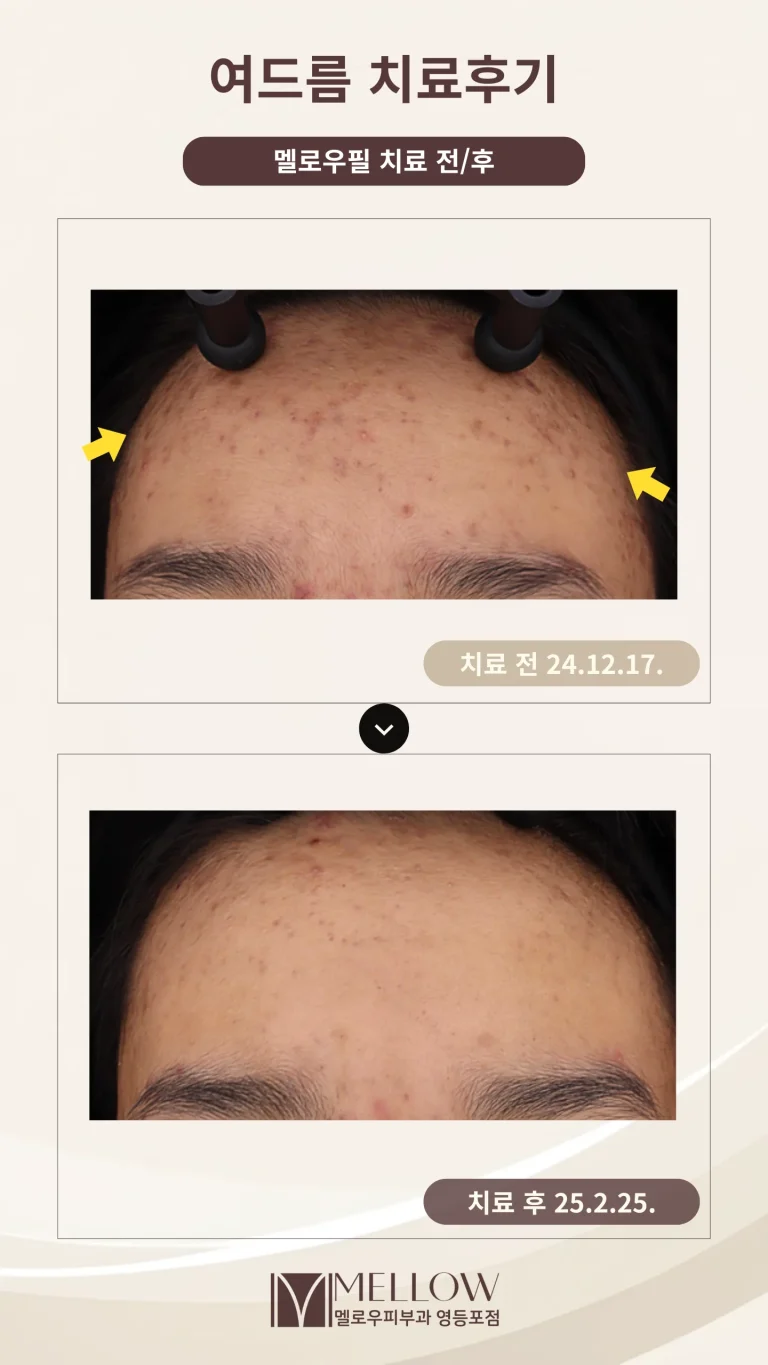
Treatment review
Inflammatory forehead acne treatment review, teens
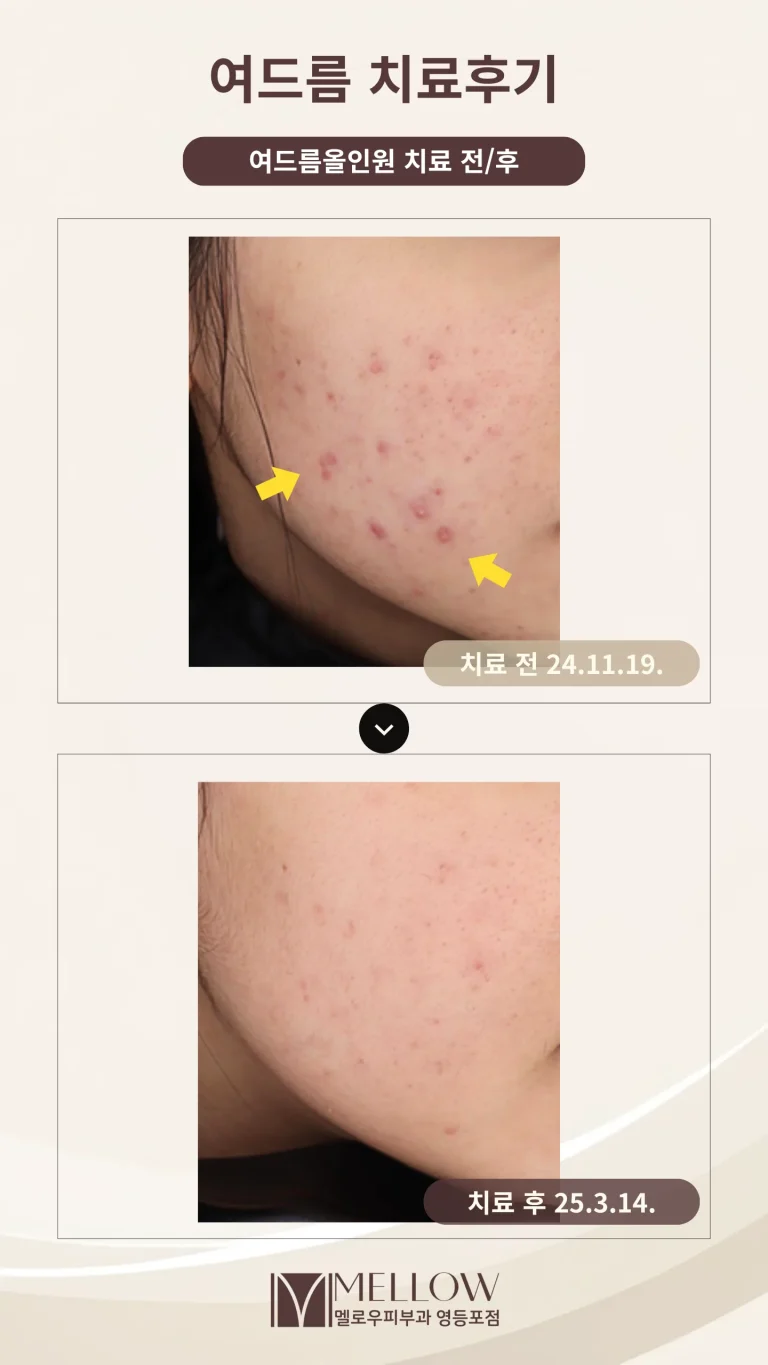
Treatment review
Inflammatory acne treatment review, woman in her 20s
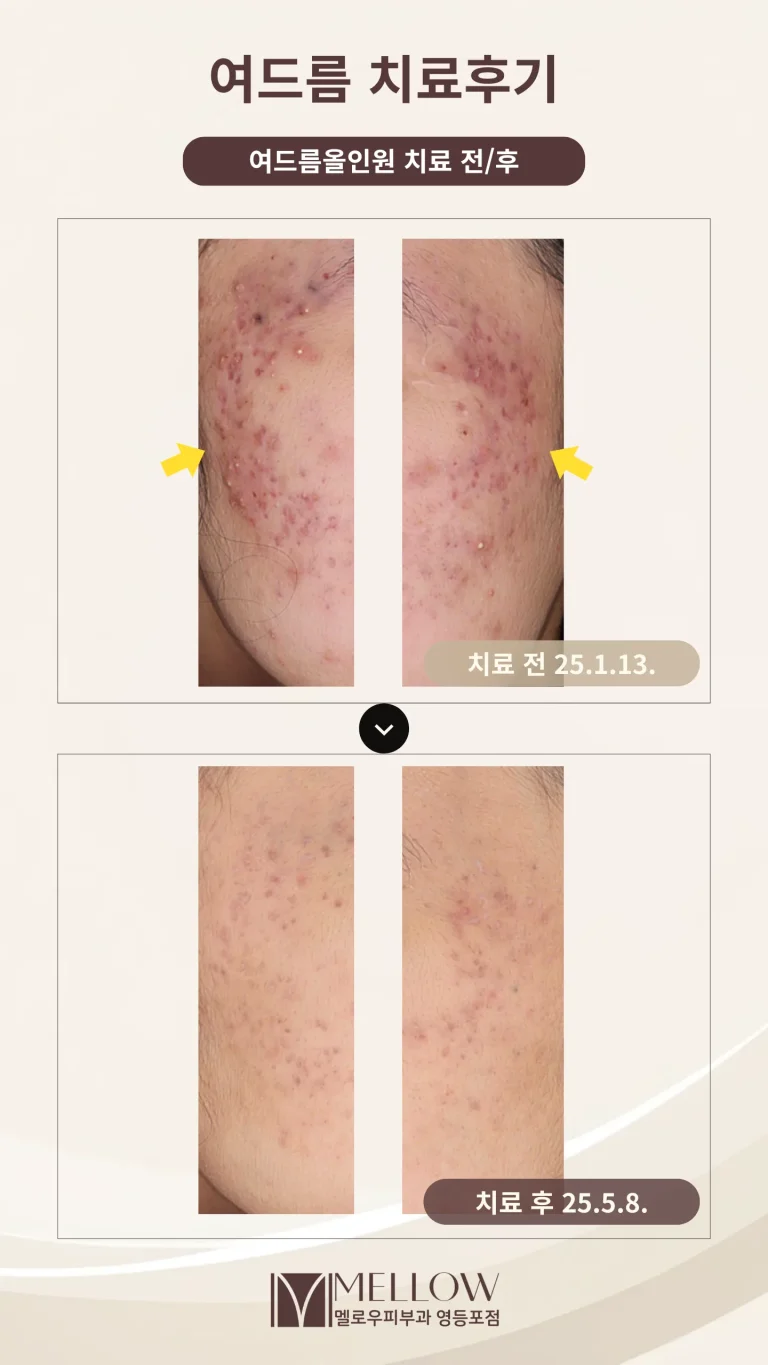
Treatment review
Teen acne all-in-one treatment review
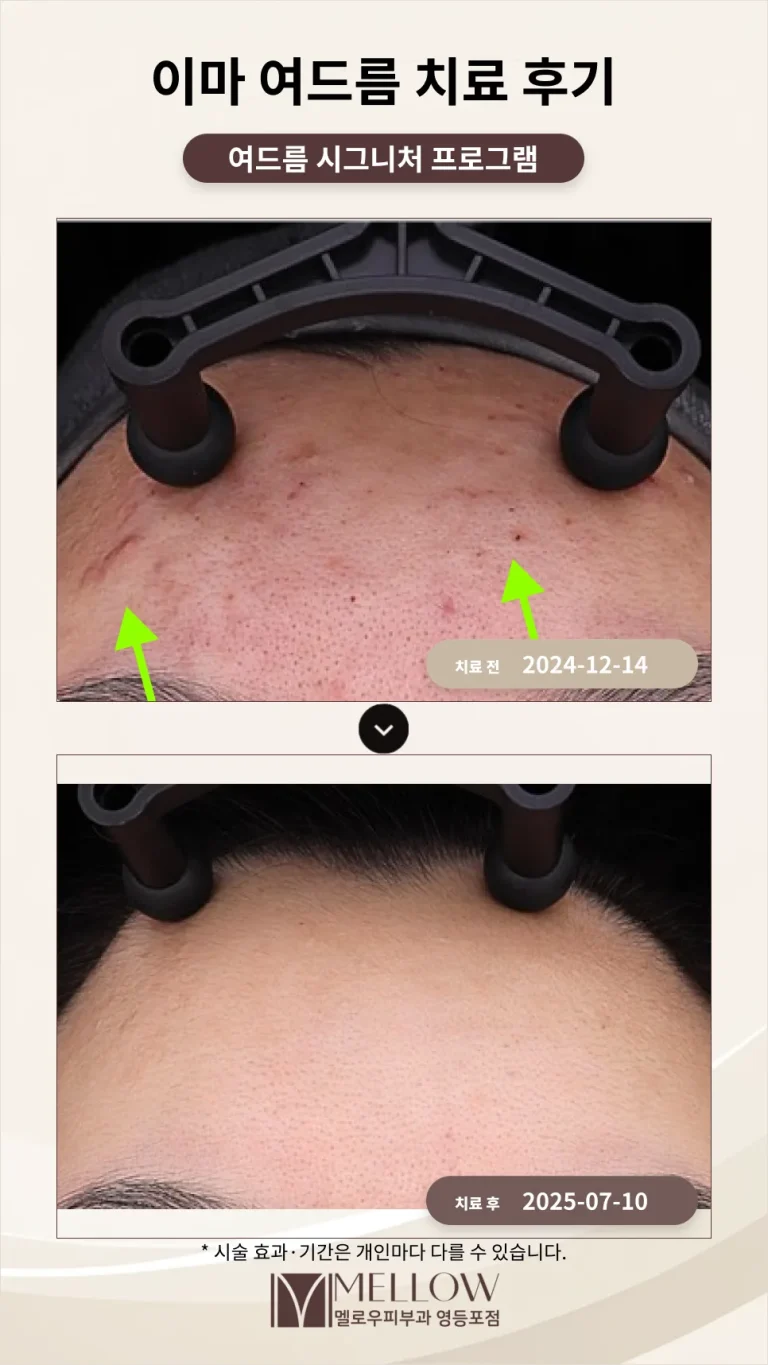
Treatment review
Inflammatory forehead acne treatment review

Expert Care
Acne treatment isn't a procedure—
it's a ‘plan’
Dr. Kwon Hyung-il, Director · Dermatology Specialist
Acne isn't over after a single procedure. Only by accurately diagnosing the cause and stage and treating it under a long-term plan that links the early, ongoing, and aftercare phases can you reduce recurrence and scarring.
Each stage calls for different treatments, and everyone's skin is different. Results change when a specialist personally designs and carries through everything from diagnosis to extraction, laser, and aftercare.
★ Mellow's acne treatment principles
- Accurate diagnosis by cause and stage, then a long-term plan
- Early extraction & scaling → ongoing sebaceous gland control → aftercare scar management
- A specialist-designed plan that accounts for recurrence and scarring
Before & After Care
Acne treatment is completed
by post-procedure care
After the procedure, avoid UV exposure and any trauma (irritation) within 24 hours, avoid saunas and excessive heat for about a week, and take care to moisturize. Refrain from squeezing or picking on your own, as it leaves marks and scars, and consistent sun protection reduces recurrence and pigmentation.
Recurring acne—
start with a consultation about the cause
From tiny whiteheads to pustules and scars, build an acne treatment plan tailored to you with a specialist's diagnosis at Mellow Dermatology (Yeongdeungpo).
See treatment reviews →Equipment
이 진료에 함께 쓰는 장비
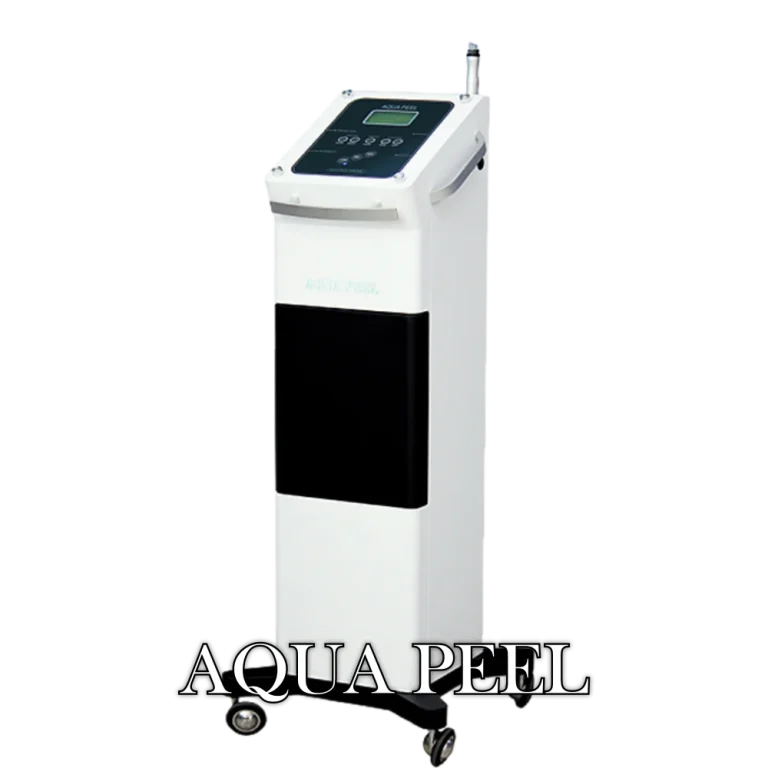
아쿠아필
아쿠아필은 물과 전용 솔루션의 흐름으로 각질과 모공 속 피지를 정리하고 수분을 채우는 필링 관리입니다. 민감도와 염증 상태에 따라 자극감이 있을 수 있고, 여드름의 원인 치료를 대신하지는 않아 필요하면 다른 치료와 함께 진행합니다.
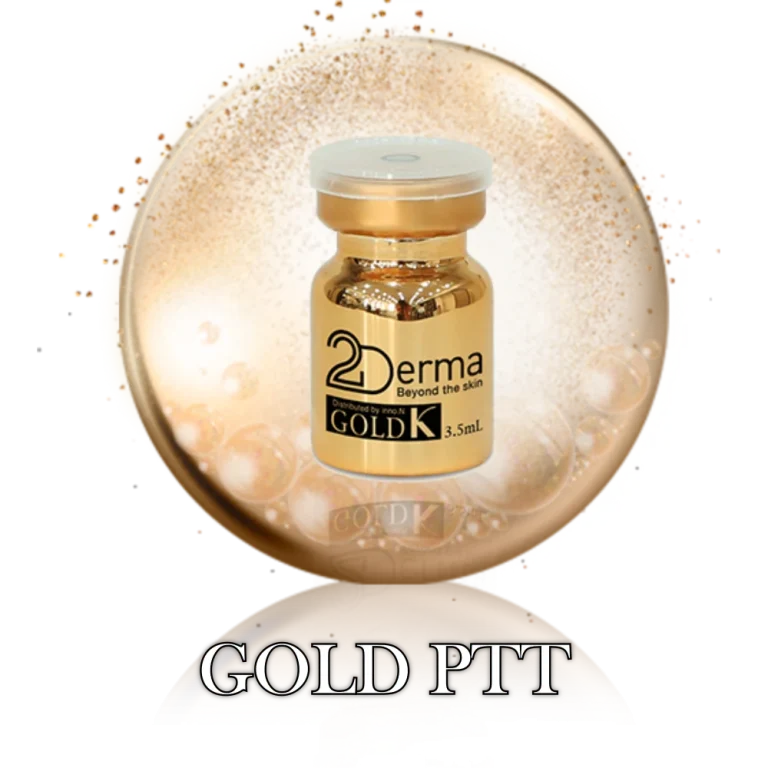
골드PTT
골드PTT는 금 나노입자를 피지선에 침투시킨 뒤 레이저를 조사해, 입자가 있는 곳에서만 열 반응을 일으켜 과도한 피지와 반복되는 염증성 여드름을 관리합니다. 염증 정도와 피부 민감도, 복용 중인 약을 함께 확인해 적합한지 판단하며, 여러 번 치료가 필요할 수 있습니다.
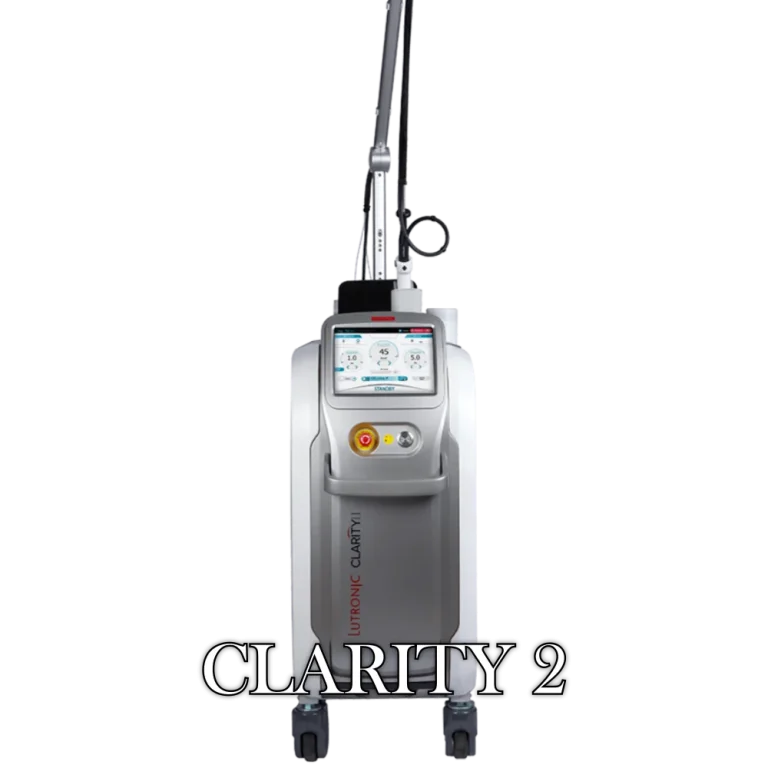
클라리티2
클라리티2는 755nm 알렉산드라이트와 1064nm 엔디야그 파장을 한 장비에서 바꿔 쓰는 레이저로, 주로 제모에 사용합니다. 피부톤과 모발의 굵기·색, 부위에 따라 파장과 에너지를 고르며, 필요한 횟수와 피부 반응은 사람마다 다릅니다.
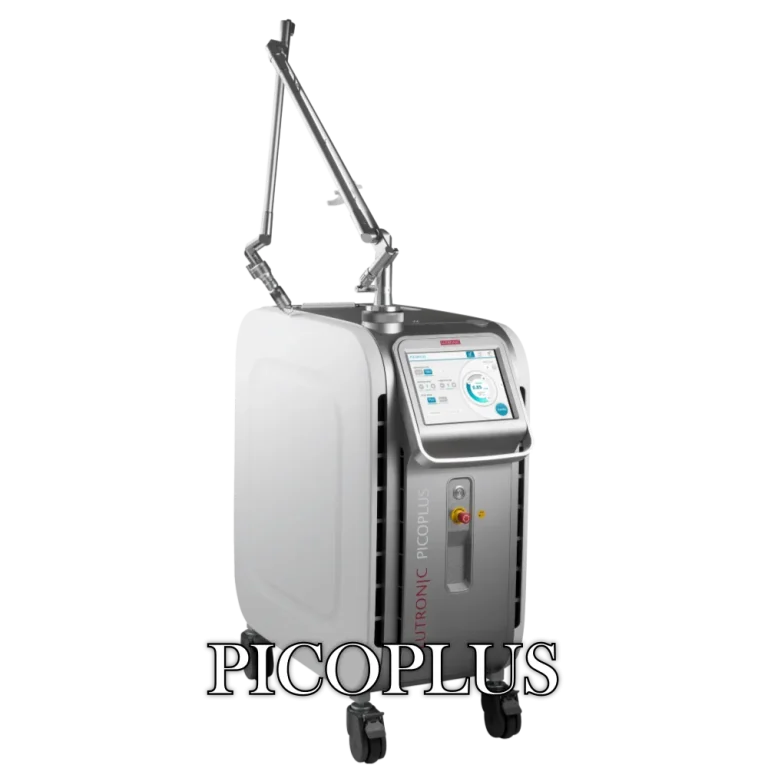
피코플러스
피코플러스는 피코초 단위의 아주 짧은 펄스로 색소 입자를 잘게 부수는 레이저로, 기미·잡티·주근깨와 피부톤 관리에 씁니다. 색소의 종류와 깊이에 따라 파장과 강도, 횟수가 달라지고, 기미는 자극을 받으면 오히려 짙어질 수 있어 정확한 감별이 먼저입니다.
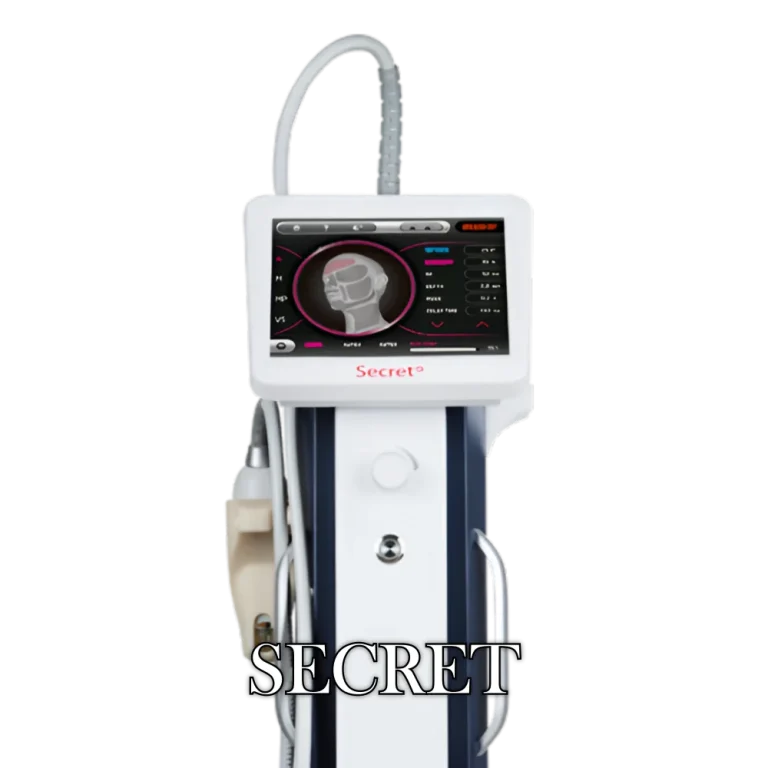
시크릿
시크릿은 가는 바늘 끝으로 진피에 고주파 열을 전달하는 마이크로니들 RF 장비로, 여드름 흉터와 넓어진 모공, 피부결과 탄력 고민에 사용합니다. 피부 두께와 흉터 유형에 따라 바늘 깊이와 에너지를 조절하며, 붉음이나 딱지가 남는 기간에는 개인차가 있습니다.